


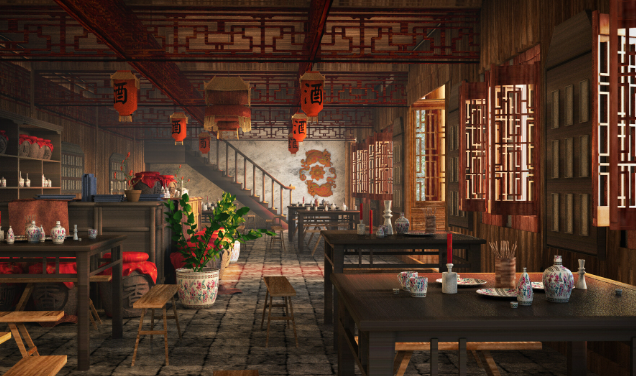

Chinese Restaurant Guide to Classic Chinese Cuisine
A Chinese restaurant can introduce diners to one of the world’s most diverse culinary traditions. Classic Chinese cuisine does not follow a single flavor profile because regional cooking traditions developed around different climates, ingredients, histories, and local customs. The commonly recognized Eight Great Cuisines https://www.newhongkongchineserestaurant.com/ include Shandong, Sichuan, Cantonese, Jiangsu, Fujian, Zhejiang, Hunan, and Anhui cuisines, with each tradition offering its own distinctive techniques and flavors. For food lovers, exploring these differences makes a restaurant visit much more interesting. A familiar plate of fried rice may provide comfort, but traditional dishes can reveal a much broader culinary world filled with delicate seafood, handmade noodles, aromatic vegetables, dumplings, braised meats, spicy specialties, and carefully prepared soups.
Understanding Classic Chinese Cuisine
Classic Chinese cuisine combines ingredients and cooking techniques with a strong focus on balance. Savory, sweet, sour, spicy, bitter, and umami notes can appear individually or work together within the same meal. Soy sauce, rice vinegar, ginger, garlic, scallions, sesame oil, chili, fermented ingredients, and aromatic spices frequently contribute depth. However, chefs use these ingredients differently depending on the regional tradition. Cantonese cooking often emphasizes freshness and natural flavors, while Sichuan cuisine is famous for bold seasoning and the distinctive combination of chili heat with Sichuan peppercorns. This variety explains why two Chinese dishes can taste completely different even when they share several ingredients.
Cantonese Favorites for a Refined Meal
Cantonese cuisine offers an excellent starting point for diners who prefer fresh and balanced flavors. The cooking tradition places strong emphasis on ingredient quality, particularly with seafood, vegetables, and meat. Steaming, roasting, stir-frying, and slow cooking all play important roles. Dim sum remains one of the most recognizable Cantonese dining experiences, with small portions of dumplings, buns, rolls, and other specialties designed for sharing. Steamed fish with ginger and scallions can showcase the natural taste of seafood, while char siu introduces tender roasted pork with a flavorful glaze. Wonton noodles and congee provide comforting options for diners who enjoy lighter meals.
Sichuan Cuisine for Bold Flavors
Sichuan cuisine takes classic Chinese flavors in a much more intense direction. Chili peppers and Sichuan peppercorns create the famous málà sensation, combining heat with a distinctive tingling effect. Garlic, ginger, fermented bean paste, and other aromatic ingredients add further depth. Mapo tofu remains one of the best-known examples, pairing soft tofu with a deeply seasoned sauce. Kung pao chicken brings together savory, spicy, slightly sweet, and nutty elements, while dan dan noodles provide a satisfying combination of noodles, seasoning, and aromatic toppings. Diners who enjoy strong flavors can explore Sichuan specialties to experience one of the most recognizable regional styles in Chinese cuisine.
Shandong Cuisine and Savory Traditions
Shandong cuisine comes from northern China and has influenced broader Chinese cooking traditions. The style often emphasizes savory flavors, seafood, green onions, vinegar, and techniques that preserve the character of key ingredients. Sweet and sour carp offers a classic example, while braised seafood and meat dishes demonstrate the region’s skill with sauces and controlled cooking. Shandong cuisine can appeal to diners who prefer savory dishes with clear flavors rather than extremely spicy seasoning. Its influence also extends beyond regional restaurants, making some of its techniques part of the broader Chinese culinary tradition.
Jiangsu Cuisine and Elegant Preparation
Jiangsu cuisine takes a more delicate approach to flavor and presentation. The tradition includes cooking styles associated with areas such as Nanjing, Suzhou, and Yangzhou, and chefs often pay close attention to ingredient selection, knife work, texture, and presentation. Braising and stewing can produce tender textures while allowing sauces to develop gradually. Lion’s head meatballs, a well-known Jiangsu specialty, demonstrate how patient preparation can create a soft and flavorful dish. This regional style works particularly well for diners who appreciate subtle seasoning and carefully developed textures.
Fujian Cuisine and Flavorful Soups
Fujian cuisine offers another distinctive interpretation of classic Chinese food. The coastal location gives seafood an important role, while soups and broths occupy a particularly strong position in the regional tradition. Fujian cooking also uses ingredients such as mushrooms, bamboo shoots, and fermented red yeast rice to develop characteristic flavors. A well-prepared soup can become the centerpiece of a meal rather than simply an opening course. Diners who enjoy seafood and layered broths can find plenty to explore within this culinary tradition.
Zhejiang Cuisine for Fresh and Delicate Flavors
Zhejiang cuisine generally favors lighter, fresh, and delicate flavors. The tradition often focuses on preserving the natural qualities of ingredients instead of covering them with heavy seasoning. Seafood, fish, vegetables, and tender meats can appear in carefully prepared dishes with elegant presentation. West Lake fish in vinegar sauce provides a classic example, combining tender fish with a tangy and gently sweet sauce. This style can suit diners who enjoy refined flavors and want to experience Chinese cooking without intense spice or excessive richness.
Hunan Cuisine for Heat and Aroma
Hunan cuisine brings considerable heat to the table, but its character extends beyond simply making food spicy. Fresh chili, aromatic ingredients, deep colors, and savory seasoning define many Hunan specialties. Diners may encounter preparations featuring pork, fish, vegetables, or preserved ingredients combined with generous amounts of chili. Compared with the numbing-spicy sensation associated with Sichuan cooking, Hunan dishes often place more direct emphasis on chili intensity. Anyone who enjoys fiery food can explore this regional tradition for a different interpretation of Chinese spice.
Anhui Cuisine and Slow Cooking
Anhui cuisine demonstrates how traditional Chinese cooking can transform humble ingredients through patient preparation. The regional tradition uses methods such as stewing, steaming, smoking, and braising, with savory flavors appearing frequently. Slow cooking allows ingredients to develop tender textures and concentrated aromas. Mountainous geography also influenced the ingredients used historically in Anhui cuisine. For diners who enjoy hearty food and deeply developed flavors, dishes inspired by this regional tradition can offer a satisfying change from quick stir-fried specialties.
Classic Chinese Cooking Techniques
Cooking techniques form the backbone of classic Chinese cuisine. Stir-frying allows chefs to cook ingredients quickly at high heat, helping vegetables retain texture while creating aromatic flavors. Steaming works particularly well for fish, dumplings, buns, and vegetables because it preserves delicate textures. Braising develops deeper flavor through longer cooking, while roasting creates crisp surfaces and rich aromas. Boiling, simmering, deep-frying, and combinations of several techniques also appear throughout Chinese cooking. The same ingredient can therefore taste completely different depending on how a chef prepares it.
Rice, Noodles, and Dumplings
Rice and noodles provide familiar foundations for many Chinese meals, but each category contains substantial variety. Fried rice combines cooked rice with ingredients such as egg, vegetables, seafood, or meat, while steamed rice provides a simple base for flavorful dishes. Noodles can appear in soups, stir-fries, or handmade preparations with different thicknesses and textures. Northern Chinese cuisine places particularly strong emphasis on wheat-based foods, including noodles, dumplings, and steamed buns. Dumplings can also range from steamed and boiled varieties to pan-fried versions with crisp bottoms and tender fillings.
Building a Classic Chinese Restaurant Meal
Sharing several dishes allows diners to experience more of the cuisine in one sitting. A balanced table might combine a vegetable stir-fry, steamed fish, dumplings, noodles, and a more intensely seasoned meat dish. Plain rice can complement rich sauces, while soup can provide a lighter element between stronger flavors. This approach also reflects the social character of Chinese dining, where several dishes can sit at the center of the table for everyone to enjoy. Ordering this way transforms the meal into a broader exploration rather than a single-dish experience.
Discovering the Classics Beyond Familiar Favorites
Classic Chinese cuisine extends far beyond the dishes commonly found on simplified menus. A Chinese restaurant can provide an opportunity to explore regional cooking traditions, traditional techniques, fresh ingredients, and distinctive flavor combinations. Starting with familiar dishes makes the menu approachable, while adding one regional specialty can gradually expand the dining experience. Whether the preference leans toward delicate Cantonese seafood, spicy Sichuan dishes, refined Jiangsu preparations, hearty northern noodles, or aromatic Hunan specialties, classic Chinese cuisine offers an enormous range of flavors waiting to be explored.