


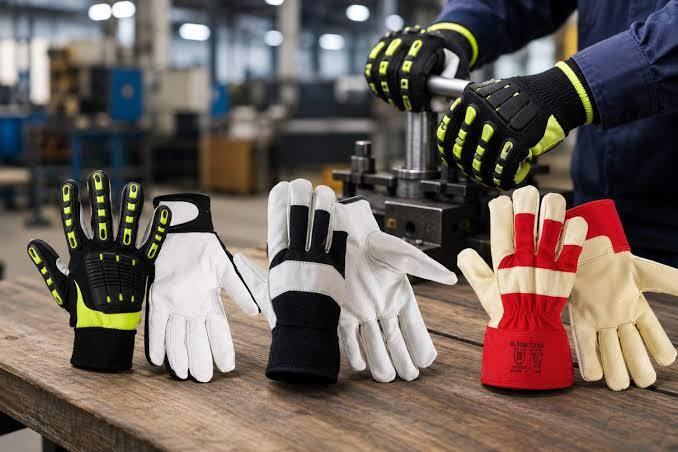

Why Glove Quality Matters in Healthcare and Industrial Environments
Glove quality plays an important role in protecting workers across healthcare and industrial environments. Medical professionals rely on gloves when examining patients, handling specimens, and performing routine procedures. Meanwhile, industrial workers may need hand protection when handling equipment, materials, or certain chemicals. Choosing suitable gloves helps reduce exposure risks while supporting hygiene, safety, and reliable performance.
Why Glove Quality Matters for Workplace Safety
High-quality gloves provide a dependable barrier when workers encounter potential hazards. In healthcare settings, suitable gloves help reduce direct contact with bodily fluids and contaminated materials. In industrial environments, the right products can protect hands from specific substances, dirt, and other workplace hazards.
However, gloves cannot eliminate every risk. Their effectiveness depends on the material, intended use, correct fit, and condition. Following established glovesupply.us guidance helps employers select protective equipment that matches the hazards employees face.
Glove Quality and Material Selection
Different tasks require different glove materials. Nitrile gloves offer flexibility and resistance to many oils and chemicals, making them useful for various medical and industrial applications. Latex gloves provide elasticity and tactile sensitivity, although latex proteins can trigger allergic reactions in some people. Vinyl gloves may suit certain low-risk activities but generally offer less durability for demanding tasks.
Selecting the correct material requires more than comparing prices. Employers should consider the substances workers handle, the duration of contact, and the level of dexterity each task requires. Manufacturers’ specifications can help determine whether a particular glove meets the necessary requirements.
How Durability Affects Glove Performance
Durability is another important factor when evaluating glove quality. Thin, poorly made, or unsuitable gloves may tear, puncture, or lose their protective properties during use. Such failures can interrupt work and expose employees to hazards.
Workers should inspect gloves before use and replace any product that shows signs of damage, deterioration, or contamination. In healthcare settings, staff must also follow infection prevention protocols and change gloves between tasks when required. Industrial employees should follow procedures specific to their equipment and working conditions.
Comfort, Fit, and Hand Dexterity
Protective gloves should fit properly without restricting movement or creating excessive pressure. Gloves that are too tight may cause discomfort and increase the chance of tearing, while oversized gloves can reduce grip and precision. Proper fit matters when healthcare professionals perform delicate procedures or industrial workers operate tools.
Comfort also influences consistent use. Breathability, flexibility, and appropriate sizing can help workers wear gloves correctly throughout their tasks. Employers should provide suitable sizes and materials while considering allergies and individual work requirements.
Choosing Gloves for Different Environments
Healthcare and industrial workplaces have different protection needs. Medical facilities often prioritize infection prevention and compatibility with clinical procedures. Industrial workplaces may require specialized resistance to chemicals, abrasion, or punctures, depending on the hazards involved.
Reviewing protective equipment selection guidelines can help organizations understand important protection considerations. Employers should assess workplace risks, check product specifications, and train staff in proper use, removal, and disposal. These practices help ensure that glove selection supports the actual demands of each environment.